Mid-thirties. That’s when it started—the first signs of getting older.
Random aches that kept flaring up, feeling tired for no reason, and recurring infections that signalled something was off.
It felt wrong—I shouldn’t feel that way at 35.
Our reaction to this is usually to shrug it off: “It’s a normal part of aging.”
Is it, though?
If I live to the average lifespan of 76, that would mean watching a steady decline for the second half of my life.
Looking at friends and family in their early 40s, getting their first diagnoses—diabetes, hyperthyroid, rheumatism—it seemed that’s where I was headed too.
But the truth is, I didn’t have to accept the slow decline.
There’s solid evidence that most of it is in our own hands. One paper quantified just how much control we actually have:
up to 80% of today’s illness is preventable through lifestyle. That’s a staggering number.
Health has many knobs to turn, but the big three—
—do most of the heavy lifting.
Since late 2024, I’ve been integrating high-leverage, research-backed changes.
I didn’t flip my life overnight. I experimented—made small, sustainable changes, measured, repeated.
Subjectively, now at 39, I feel healthier—stronger, more resilient.
My tendon doesn’t flare up anymore, the hip pain is gone, and my energy and mood stay steadier through the day.
It’s strange how quickly decline can start to feel normal—until you measure it and see what’s possible.
Tangibly, I’m tracking biomarkers that respond to lifestyle and are tied to long-term health.
Across the three core health systems—inflammatory, metabolic, and cardiovascular—my data shows clear signs of improvement:
One of the biggest drivers of chronic disease, from diabetes to cardiovascular issues and even some cancers.
With insulin resistance and T2D on the rise, a balanced blood-sugar response reflects healthy metabolic aging.
Healthier fat metabolism and slower vascular aging support long-term heart and brain health.
The Biomarkers I Track
| Biomarker | Mine | Standard Clinical Range | Personal Optimal Range | Category | Why It Matters for Longevity |
|---|---|---|---|---|---|
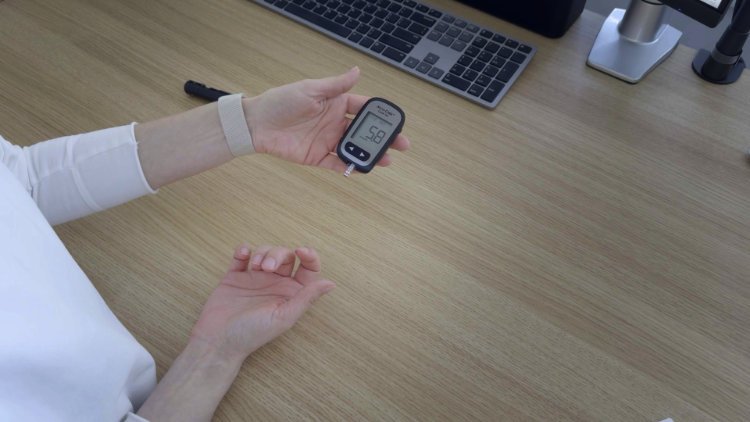
| Fasting glucose | 4.6 | <5.6 | 3.9-4.7 | Metabolic | Higher fasting glucose is linked to higher future risk of type 2 diabetes and cardiovascular disease. Lower-normal levels usually mean better insulin control. |
| Fasting Insulin | 3 | ~2-25 (varies widely) | 2-5 | Metabolic | Shows how much insulin your body needs to keep glucose normal. Higher fasting insulin can be an early sign your metabolism is working harder than it should (often before glucose rises). |
| HbA1c | 5.0 | <5.7 | 5.0-5.4 | Metabolic | Your average glucose exposure over ~2–3 months (includes fasting, after meals, and overnight). Higher A1c is linked to higher long-term risk for diabetes and vascular damage. |
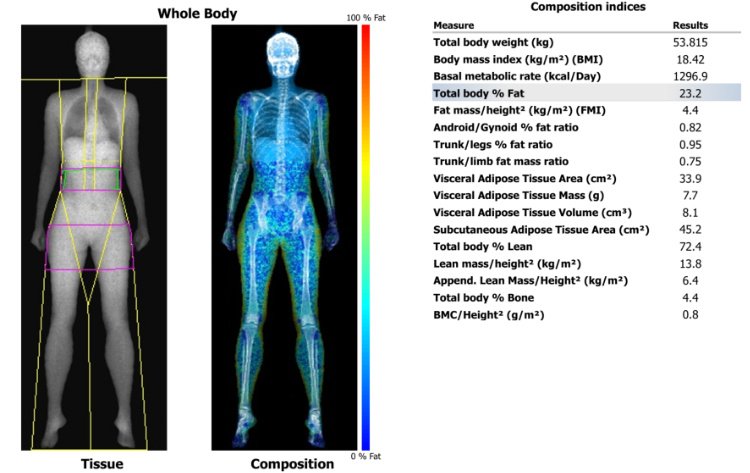
| Visceral fat | 33.9 | <100 | as low as possible | Metabolic | Visceral fat (around the organs) is strongly linked to insulin resistance, fatty liver, inflammation, and higher cardiometabolic disease risk (even in people who look lean). |
| Triglycerides | 0.5 | <1.7 | <0.9 | Cardiovascular | A fast-moving marker of how well your body handles carbs and fats. Higher triglycerides are linked to insulin resistance and higher cardiovascular risk. Lower levels usually reflect better metabolic health. |
| LDL-C | 2.1 | <2.6 | <2.0 | Cardiovascular | LDL is one of the main drivers of plaque build-up in arteries. Keeping LDL lower over many years reduces lifetime risk of heart attack and stroke. |
| HDL-C | 1.7 | >1.3 (women) | 1.3-2.3 | Cardiovascular | Helps transport cholesterol away from arteries. Low levels are linked to higher cardiovascular risk. Very high levels aren’t always protective. Mid-range levels tend to reflect a healthier profile. |
| Blood Pressure | 119/75 | <120/80 | <120/80 | Cardiovascular | Higher blood pressure increases wear and tear on artery walls over time. Keeping it in a healthy range lowers long-term risk of heart disease, stroke, and kidney strain. |
| ApoB | 0.8 | <0.9 | <0.6 | Cardiovascular | Estimates how many “plaque-forming” particles are in your blood. Higher ApoB is strongly linked to higher cardiovascular risk—often more directly than LDL-C alone. |
| hs-CRP | 0.21 | <1.0 | <0.3 | Inflammation | A broad marker of low-grade inflammation. Persistently higher hs-CRP is linked to higher cardiovascular risk and faster health decline; lower levels usually reflect lower inflammatory burden. |
| ALT | <8 | 7-55 | <17 | Liver | Key liver health marker. High levels often correlate with metabolic conditions such as T2D and non-alcoholic fatty liver disease (NAFLD). |
| AST | 13 | 8-48 | <17 | Liver | Elevated levels may reflect liver or muscle stress and are associated with increased health risk in population studies. |
| GGT | 15 | 8-61 | <14 to 20 (women) | Liver | Oxidative stress marker. Elevated levels are linked with a higher risk of T2D, CVD, and all-cause mortality. |
| VO₂ max (Whoop)* | 46 | No official cutoff | 45-47+ | Fitness | One of the strongest predictors of long-term health and lifespan. Higher VO₂ max reflects better heart-lung fitness and how efficiently your body uses oxygen. |
| Lean mass (%) | 72.4 | No official cutoff | >70-75 (women) | Body Composition | More lean mass (especially muscle) supports strength, glucose control, and resilience with aging. Higher muscle is linked to lower frailty risk and better long-term health. |
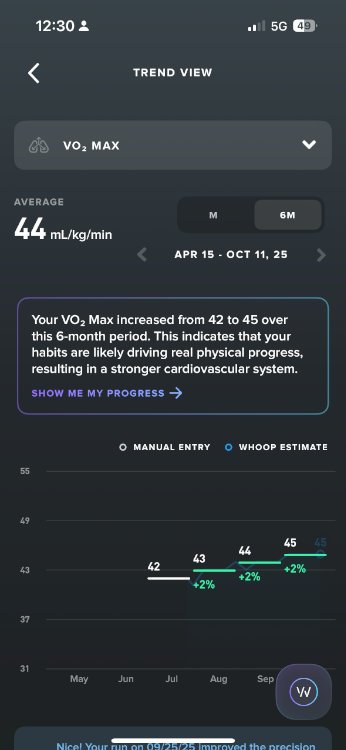
*While my VO₂ max is estimated by Whoop rather than lab tested, it offers a solid approximation of my cardiorespiratory fitness for my age and sex. I only started training for it three months ago and have already increased it from 42 to 45.
So what do I actually do for sleep, exercise, and diet to get here?
As of October 2025, these are the habits I live by to slow age-related decline:

I train six days per week (a mix of cardio and strength) and take one recovery day for a 60-minute walk.
I train every major muscle group three times per week.
I include flexibility and mobility work as part of my warm-up and cool-down on strength days.

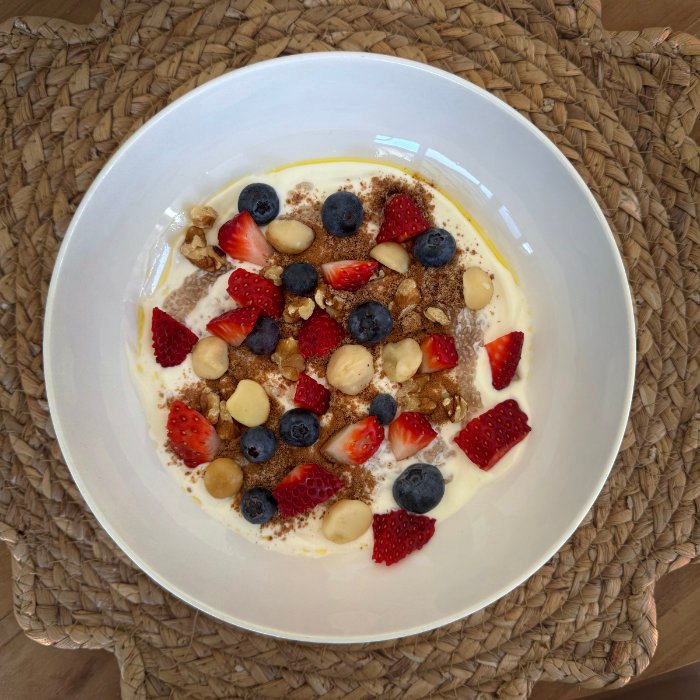
Flaxseed oil, flax meal, soaked chia seeds, Brazil nuts, macadamias, walnuts, cinnamon, and berries.
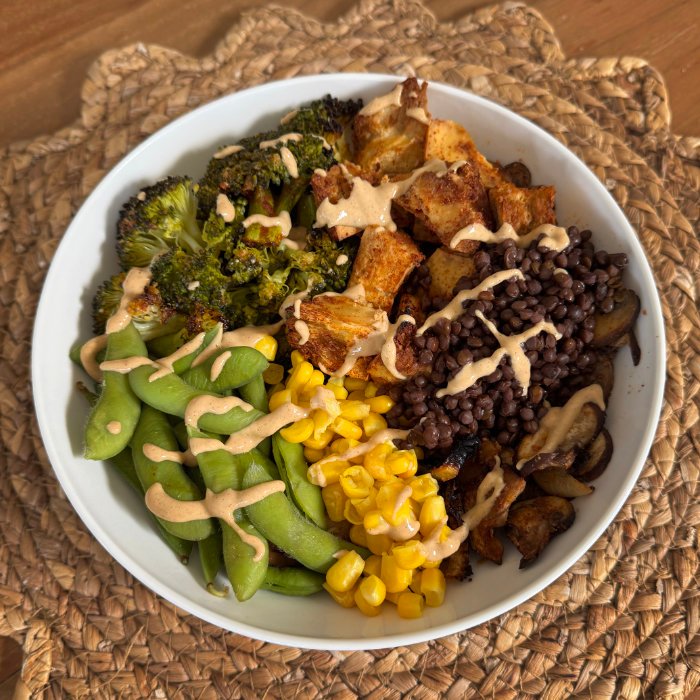
Broccoli, mushrooms, onion, black lentils, edamame, corn, tofu.
Dressing: tahini, lemon, garlic, olive oil, apple cider vinegar, smoked paprika.
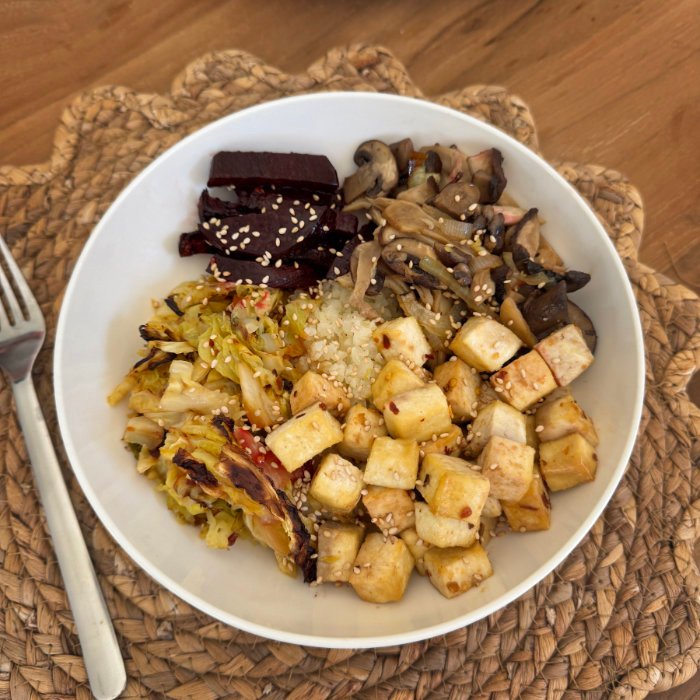
Beetroot, mixed mushrooms, cabbage, onion, ginger, tofu, cauliflower rice.
Sauce: tamari, rice vinegar, sesame oil, garlic. Topped with toasted sesame seeds and chili flakes.
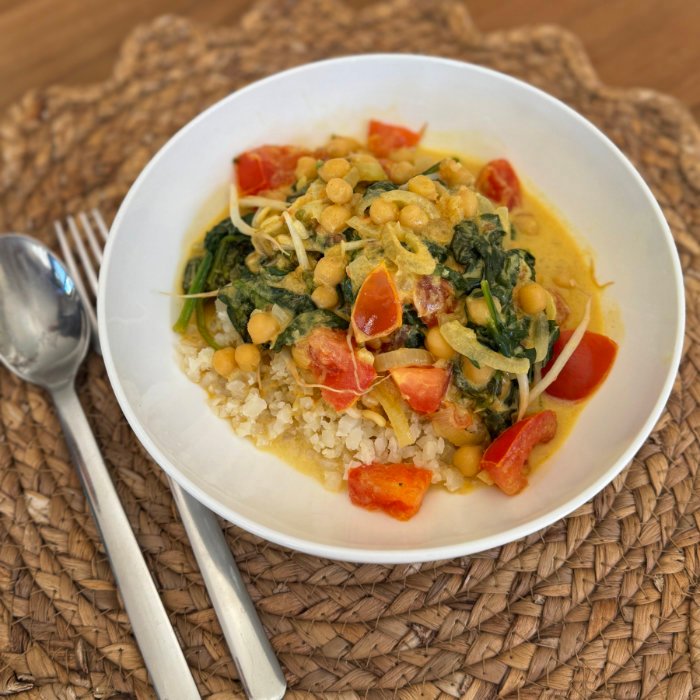
Spinach, chickpeas, tomato, onion, garlic, bean sprouts, ginger, coconut milk, cauliflower rice.

Fish served with frozen mixed veggies and a little thick cream.
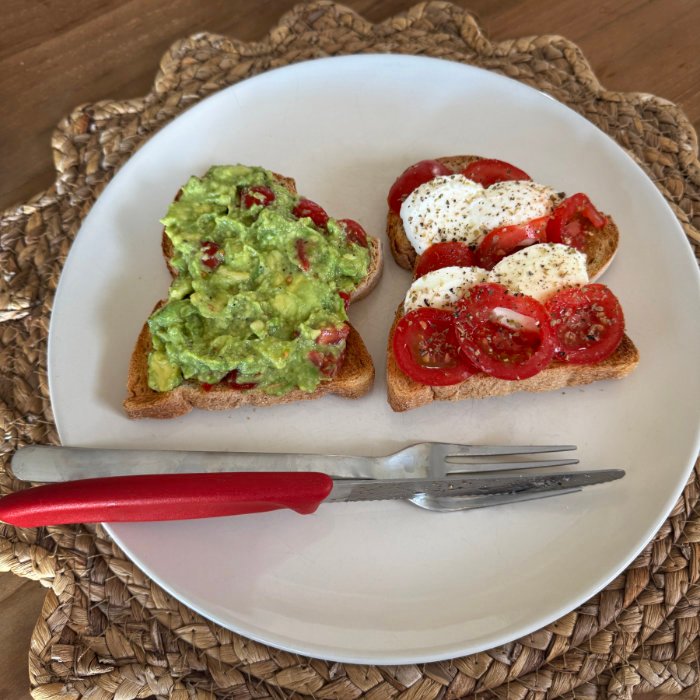
Avocado, tomato, mozzarella, wholemeal toast, olive oil.

Avocado, tomato, mozzarella, wholemeal toast, olive oil.
I used to find it frustrating when people said, “Just be consistent.” It’s good advice—just hard to follow when you’re focused on how far you have to go.
I didn’t start here. I eased into it, one habit at a time, until it stopped feeling like effort and started feeling like me.
Now I look forward to eating well, winding down at night, and moving my body. It’s no longer “a plan” I have to stick to, it’s simply how I live.
Alex Hormozi once compared it to watching your favourite TV show: no one has to remind you. You do it because you love it. That’s what it became for me.
Exercise was my toughest piece. Diet came easier. For my husband it was the opposite. He’s been in the gym since he was 18; food was his challenge.
We both learned the same thing: when the habits fit your identity, motivation stops being the bottleneck.
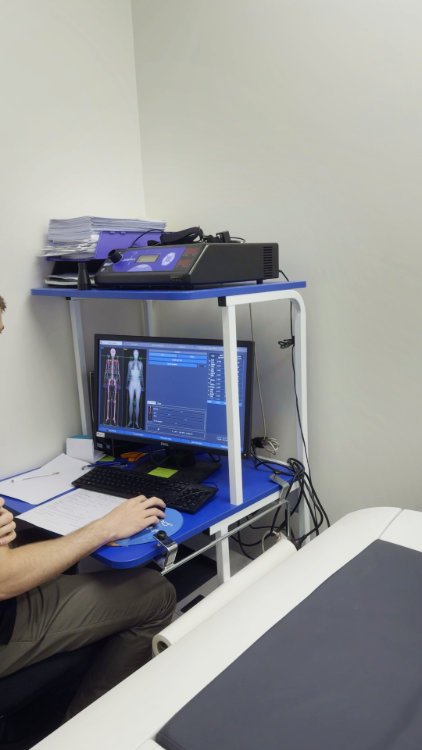
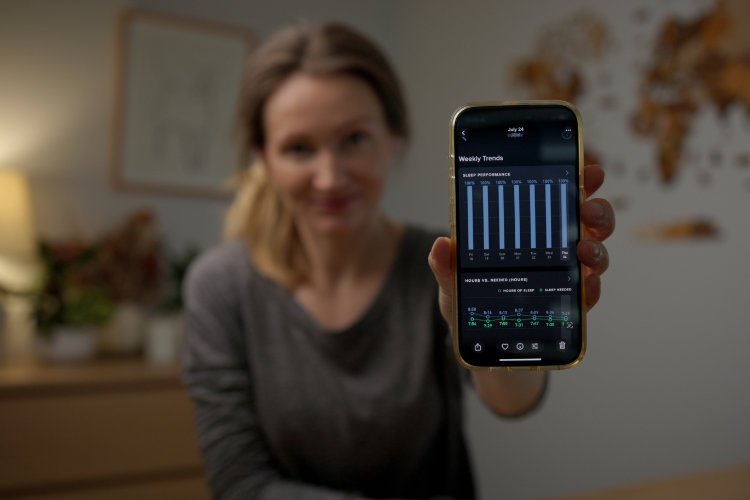
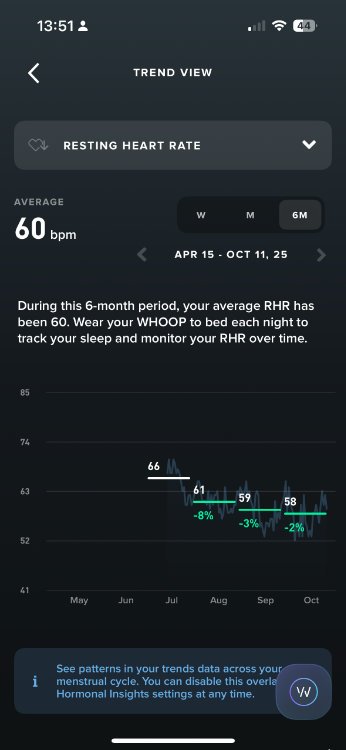
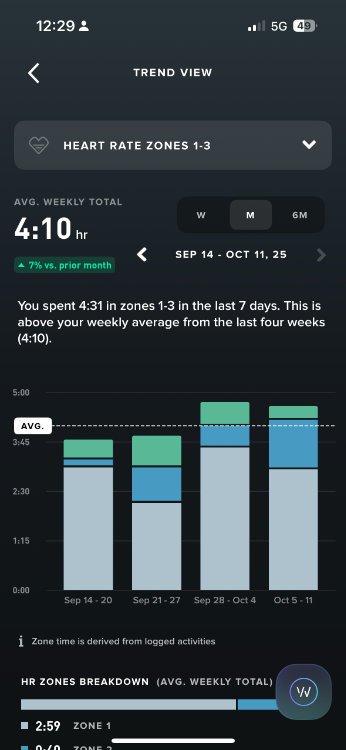
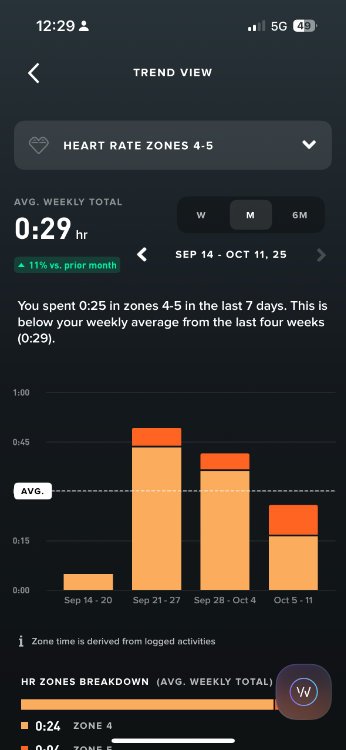
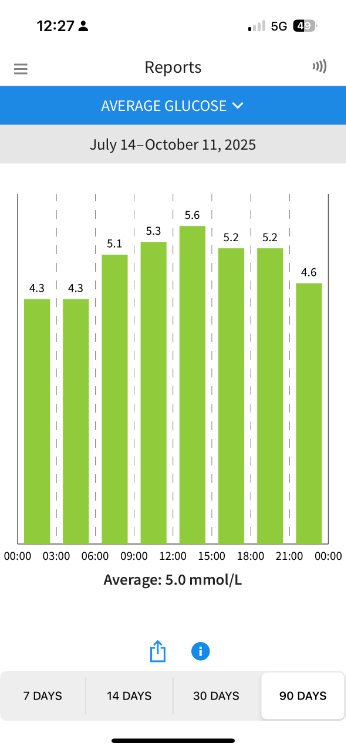
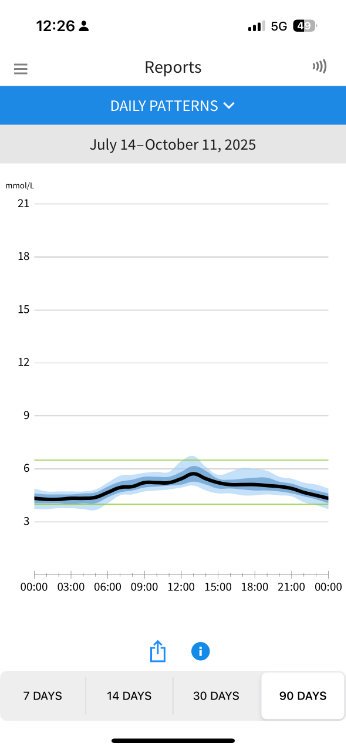
Below are screenshots from my fitness wearable, continuous glucose monitor (CGM), and DEXA scan. They help verify progress and keep me accountable over time.
I started tracking my fitness with a wearable at the end of June 2025.
That’s when I added zone 4-5 running and increased overall training volume. Before that, strength work was limited by a frozen shoulder, so progress was slower.
| Biomarker | June → October | Why it Matters |
|---|---|---|
| Resting heart rate (RHR) | 66 → 58 | Reflects how efficiently your heart and nervous system work at rest. A lower rate, typically under 60 bpm, is associated with stronger cardiovascular fitness, lower inflammation, and a longer lifespan. |
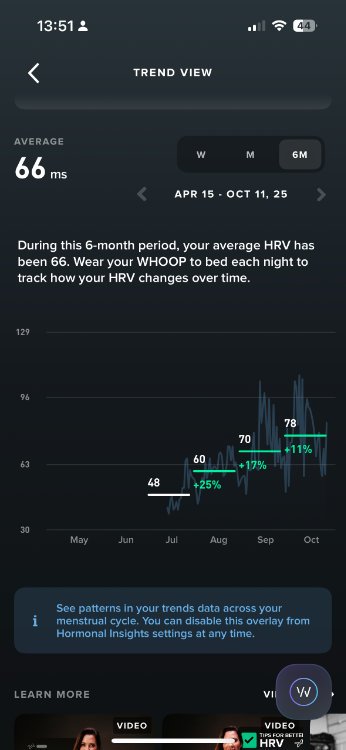
| Heart rate variability (HRV)* | 48 → 78 | Measures how adaptable your nervous system is: your ability to recover, regulate stress, and maintain balance. Higher or stable trends over time are associated with better cardiovascular health, stress resilience, and slower biological aging. |
| VO₂ max | 42 → 45 | Captures how efficiently your body delivers and uses oxygen. High levels are linked with significantly lower risk of disease and early death, making it one of the most reliable biomarkers of longevity ever identified. |
*HRV is highly individual: baseline varies widely between people. It’s influenced by sleep, hydration, stress, hormones, training load, temperature, and illness. It’s best viewed as a trend rather than a single number. For example:
Maintaining stable blood glucose helps minimize oxidative stress, glycation, and vascular damage—processes that accelerate aging.
Consistent glucose control supports lower inflammation, protects blood vessels and brain function, and slows metabolic aging.
Average glucose (Jul 14–Oct 11, 2025): **5.0 mmol/L**
What better control looks like
After eating, blood sugar should generally stay below 7.8 mmol/L. For longevity-focused targets, the cut-off is often stricter—around 6.7 mmol/L or lower.
I aim to stay near 6.5.
Medical disclaimer
The information on this site reflects my own data, research, and lived experience. It’s for general educational purposes and shouldn’t replace medical advice or care. Use this information as input, not prescription.